# DevOps Training and Certification: Your Complete Guide to Becoming a DevOps Professional
In today's rapidly evolving tech landscape, the demand for skilled DevOps professionals has skyrocketed. DevOps has emerged as a game-changing approach that combines software development (Dev) and IT operations (Ops), enabling organizations to deliver applications and services at a faster pace, with greater reliability and efficiency. As businesses strive to stay ahead of the curve, investing in [**DevOps training and certification**](https://www.skillsforeveryone.com/courses/devops-career-program) has become a crucial step for individuals looking to advance their careers and contribute to the success of their organizations.
In this comprehensive guide, we'll explore the world of DevOps training and certification, providing you with the knowledge and insights you need to become a DevOps professional. Whether you're a seasoned developer, an aspiring IT specialist, or simply curious about this dynamic field, this post will equip you with the essential information to embark on your DevOps journey.
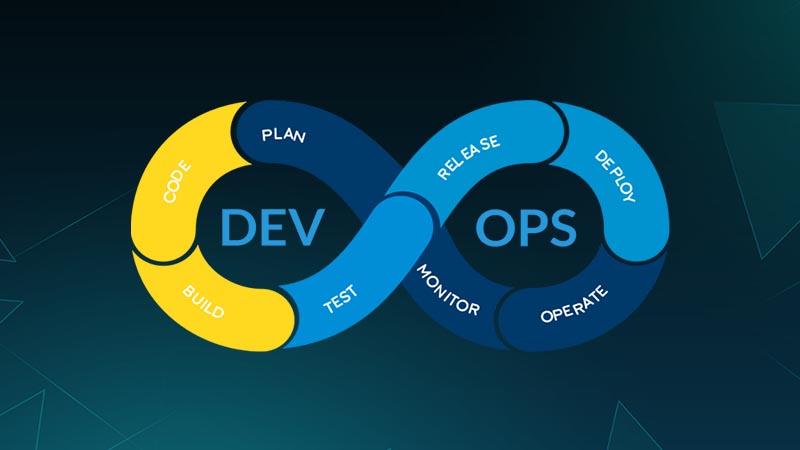
**Understanding DevOps: The Basics**
DevOps is a cultural and professional movement that aims to bridge the gap between software development and IT operations. It is a set of practices, tools, and philosophies that enable organizations to deliver applications and services at a faster pace, with greater reliability and security.
At the heart of DevOps lies the concept of collaboration and communication. By breaking down the traditional silos between development and operations teams, DevOps encourages a more collaborative and cross-functional approach to software delivery. This, in turn, leads to faster feedback loops, improved problem-solving, and a more agile and responsive IT environment.
**The key principles of DevOps include:**
Continuous Integration (CI): Automating the process of building, testing, and integrating code changes into a shared repository.
Continuous Deployment (CD): Automating the process of deploying software changes to production environments.
Infrastructure as Code (IaC): Treating infrastructure components, such as servers, networks, and databases, as code that can be version-controlled, tested, and deployed.
Monitoring and Observability: Implementing robust monitoring and observability practices to ensure the health and performance of applications and infrastructure.
Collaboration and Communication: Fostering a culture of collaboration and communication between development, operations, and other teams involved in the software delivery process.
**The Benefits of Becoming a DevOps Professional**
Pursuing a career in DevOps offers numerous benefits, both for individuals and organizations. Here are some of the key advantages:
**Career Advancement:** DevOps is a rapidly growing field, and the demand for skilled DevOps professionals continues to rise. By acquiring DevOps skills and certifications, you can position yourself for lucrative career opportunities and advancement.
**Increased Earning Potential:** DevOps professionals are in high demand, and their salaries often reflect this. According to the 2022 DevOps Salary Report, the average annual salary for a DevOps engineer in the United States is around $126,000.
**Versatility and Adaptability:** DevOps skills are highly transferable and can be applied across various industries and technology stacks. This versatility makes DevOps professionals valuable assets to organizations, as they can adapt to different environments and challenges.
**Improved Efficiency and Productivity:** By embracing DevOps principles and practices, organizations can streamline their software delivery processes, reduce deployment times, and improve overall operational efficiency.
**Enhanced Collaboration and Communication:** DevOps emphasizes cross-functional collaboration and communication, which can lead to improved teamwork, better problem-solving, and a more positive work culture.
**Continuous Learning and Growth:** The DevOps field is constantly evolving, with new tools, technologies, and best practices emerging regularly. Becoming a DevOps professional means committing to lifelong learning and staying at the forefront of industry trends.
**DevOps Training and Certification:** Pathways to Success
To become a DevOps professional, you'll need to acquire the necessary skills and knowledge through a combination of training, hands-on experience, and certification. Here are the key steps to consider:
**Step 1: Develop a Solid Foundation in DevOps Principles and Practices**
Before diving into specific tools and technologies, it's crucial to build a strong understanding of the core principles and practices that underpin the DevOps philosophy. This includes familiarizing yourself with concepts such as continuous integration, continuous deployment, infrastructure as code, and the importance of collaboration and communication.
You can start by exploring online resources, such as articles, blogs, and video tutorials, to gain a comprehensive understanding of the DevOps landscape. Additionally, consider enrolling in introductory DevOps courses or workshops to solidify your foundational knowledge.
**Step 2: Acquire Hands-on Experience with DevOps Tools and Technologies**
DevOps is heavily reliant on a wide range of tools and technologies that enable the automation, monitoring, and management of the software delivery process. Some of the most popular DevOps tools include:
Version Control Systems: Git, GitHub, GitLab
Continuous Integration/Continuous Deployment (CI/CD) Tools: Jenkins, Travis CI, CircleCI
Configuration Management Tools: Ansible, Puppet, Chef
Container Technologies: Docker, Kubernetes
Monitoring and Observability Tools: Prometheus, Grafana, ELK Stack
Hands-on experience with these tools is crucial for becoming a proficient DevOps professional. You can gain this experience through personal projects, contributing to open-source initiatives, or participating in internships or entry-level DevOps roles.
**Step 3: Pursue Relevant DevOps Certifications**
Obtaining DevOps certifications can significantly enhance your credibility and demonstrate your expertise to potential employers. Some of the most recognized DevOps certifications include:
AWS Certified DevOps Engineer: Validates your ability to use AWS services to implement and control the flow of data to and from AWS.
Google Cloud Certified Professional Cloud DevOps Engineer: Assesses your skills in designing, building, and managing dynamic, highly available, and secure cloud environments.
Certified Kubernetes Administrator (CKA): Verifies your skills in managing production-grade Kubernetes clusters and the applications deployed on them.
DevOps Institute Certifications: Offers a range of certifications, including DevOps Foundation, DevOps Leader, and DevSecOps Engineer.
Microsoft Azure DevOps Engineer Expert: Validates your expertise in designing and implementing a DevOps software development process.
When choosing a certification, consider your career goals, the specific technologies and tools you want to specialize in, and the requirements of the organizations or industries you're interested in.
**Step 4: Continuous Learning and Professional Development**
The DevOps field is constantly evolving, with new tools, technologies, and best practices emerging regularly. To stay ahead of the curve, it's essential to commit to continuous learning and professional development. This can involve:
Attending industry conferences, meetups, and workshops to network with other DevOps professionals and stay up-to-date with the latest trends.
Participating in online communities, such as forums, Reddit, and LinkedIn groups, to engage in discussions and share knowledge.
Subscribing to industry publications, blogs, and podcasts to consume the latest news and insights.
Exploring opportunities for further education, such as advanced DevOps courses, online learning platforms, or even pursuing a master's degree in a relevant field.
By embracing a mindset of continuous learning, you'll be well-positioned to adapt to the changing demands of the DevOps landscape and maintain your competitive edge as a professional.
**Preparing for a Career in DevOps**
As you embark on your journey to becoming a DevOps professional, it's important to consider the following key factors:
**Developing a Diverse Skill Set**
Successful DevOps professionals possess a diverse set of skills that span both technical and non-technical domains. In addition to proficiency in tools and technologies, you should also develop strong problem-solving, communication, and collaboration skills. This well-rounded skill set will enable you to contribute effectively to cross-functional teams and drive the success of DevOps initiatives.
**Building a Comprehensive Portfolio**
Showcase your DevOps expertise by creating a comprehensive portfolio that demonstrates your hands-on experience and project-based work. This can include personal projects, contributions to open-source initiatives, or case studies from internships or previous roles. A strong portfolio can help you stand out in the job market and provide tangible evidence of your capabilities.
**Networking and Expanding Your Professional Connections**
Actively engage with the DevOps community by attending industry events, participating in online forums, and connecting with other professionals on platforms like LinkedIn. Building a robust professional network can open up new opportunities, facilitate knowledge sharing, and help you stay informed about the latest trends and best practices in the field.
**Developing a Continuous Improvement Mindset**
DevOps is all about embracing a culture of continuous improvement. As a DevOps professional, you should be prepared to constantly learn, adapt, and refine your skills and processes. Adopting a growth mindset and a willingness to experiment and iterate will serve you well throughout your career.
**Conclusion**
Becoming a [**DevOps professional certification**](https://www.skillsforeveryone.com/courses/devops-career-program) is a rewarding and fulfilling journey that can unlock numerous opportunities for career growth and personal development. By investing in comprehensive DevOps training and certification, you'll equip yourself with the knowledge, skills, and credentials needed to thrive in this dynamic field.
Remember, the path to becoming a DevOps professional is not a one-time event but rather a continuous process of learning, experimentation, and adaptation. Stay committed to expanding your skill set, building a diverse portfolio, and actively engaging with the DevOps community. With dedication and a passion for innovation, you can position yourself as a valuable asset to organizations and contribute to the success of their digital transformation initiatives.